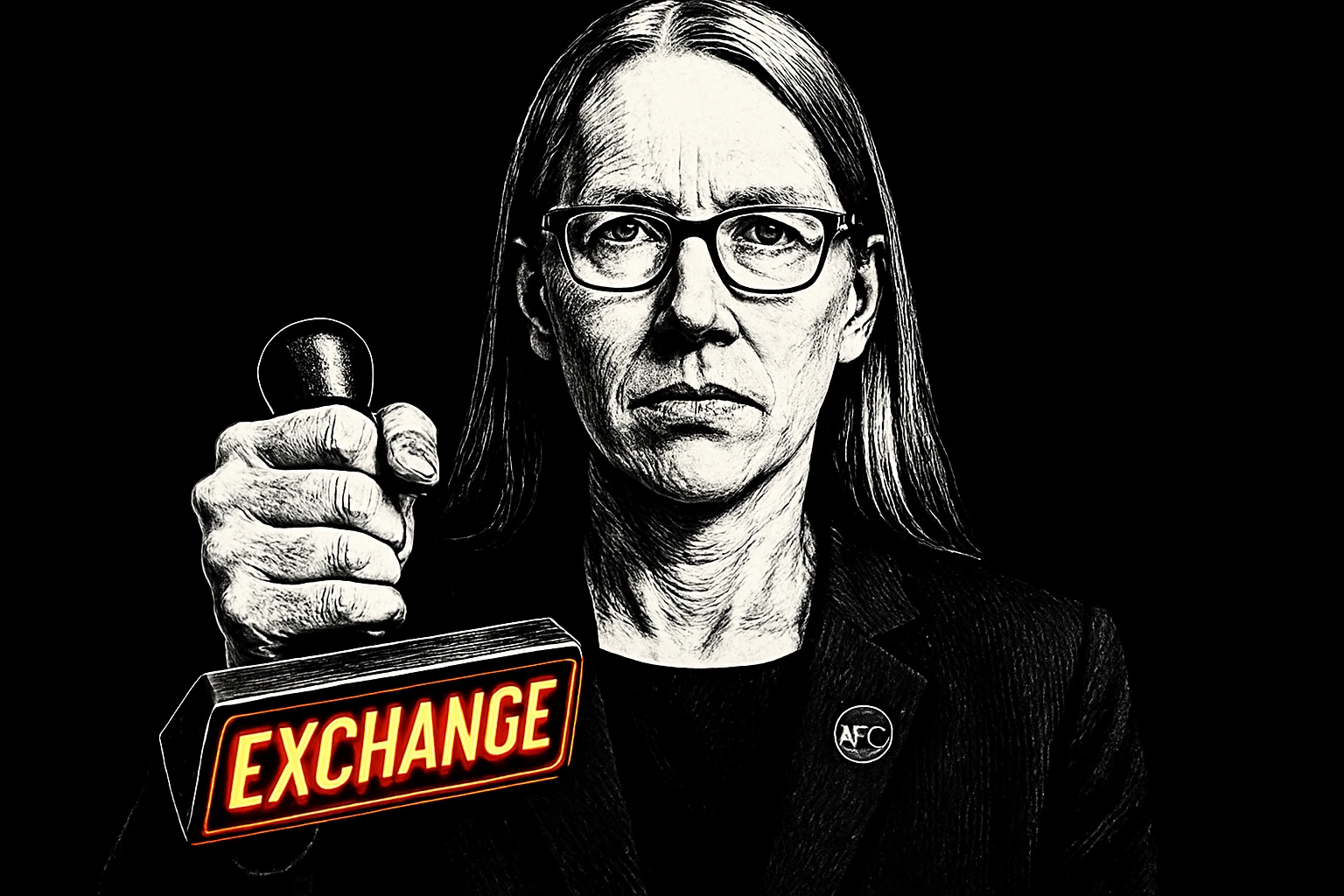
The EU's latest crypto tax law "DAC8 Directive" will take effect on New Year's Day, adopting the OECD crypto asset reporting framework to crack down on tax evasion
The EU's DAC8 Directive (Directive on Administrative Cooperation, 8th Revision), as the EU's latest digital asset tax transparency regulation, will officially take effect on January 1, 2026.
(Preliminary summary: The European Council finalized the legislative position on "Digital Euro": CBDC and cash will coexist, and will be on the road as early as the second half of 2026)
(Background supplement: EU encryption supervision needs to be centralized? The new proposal intends to give European ESMA full authority to supervise the encryption industry)
Contents of this article
The EU's DAC8 Directive (Directive on Administrative Cooperation, Article 8) Amendment), as the EU’s latest digital asset tax transparency regulations, will officially come into effect on January 1, 2026. This directive marks a major shift in the EU's approach to regulating crypto activities: it will include crypto asset transactions in the tax authorities' automatic information exchange system, aiming to increase tax transparency and prevent tax evasion.
Core content of regulations
The core of the DAC8 directive is the implementation of the Crypto-Asset Reporting Framework (CARF) of the Organization for Economic Cooperation and Development (OECD). The framework requires all Crypto-Asset Service Providers (RCASPs), including crypto exchanges, wallet providers, brokers, etc., to report relevant information to the tax authorities.
These providers, regardless of whether they are located inside or outside the EU, are subject to obligations as long as they serve EU resident users. The report covers the identity information, tax residence, account balance, and transaction details of EU resident users, such as transaction types and amounts such as sales, transfers, and exchanges.
From January 1, 2026, service providers will begin to collect transaction data for the year, and tax authorities in each member state will automatically exchange this information. The first report is expected in 2027, usually within nine months of the end of the financial year.
In addition, DAC8 also has extraterritorial application effect. Even if the service provider is not in the EU, as long as it involves EU users, it must conduct user due diligence (enhanced KYC), collect self-certification information, and face non-compliance fines. The European Commission has issued implementation rules in November 2025 to further standardize reporting formats and computerization standards.
Why is this an important change?
The decentralized and cross-border nature of crypto-assets has made it difficult for tax authorities to effectively track transactions in the past, leading to potential tax losses and tax evasion risks. DAC8 puts crypto activities on the same level of transparency as traditional finance (such as bank accounts), allowing tax authorities to more accurately monitor taxable events such as capital gains, income, and more.
This shift is complementary to the EU’s Market Regulation on Crypto-Assets (MiCA): MiCA focuses on market supervision and consumer protection, while DAC8 focuses on tax transparency. Overall, DAC8 helps combat base erosion, improve compliance, and is expected to generate additional tax revenue for the EU. At present, many encryption platforms have upgraded their systems in advance to cope with the upcoming reporting obligations.
Impact on users and service providers
For individual users, EU residents who hold or trade crypto assets will have their activities more easily understood by tax authorities. This may increase the user's tax reporting liability, depending on the domestic law of each member state.
For service providers, the impact is more direct. Platforms must invest in upgrading systems, strengthening user authentication, and reporting data regularly. Non-compliance will result in fines specified by each member state. In addition, if a non-EU platform has EU users, it must also be registered in the EU and comply. Otherwise, services may be restricted or assets may be frozen.
Overall, this will increase industry compliance costs, but it will also bring a clearer regulatory environment for platforms that operate seriously.